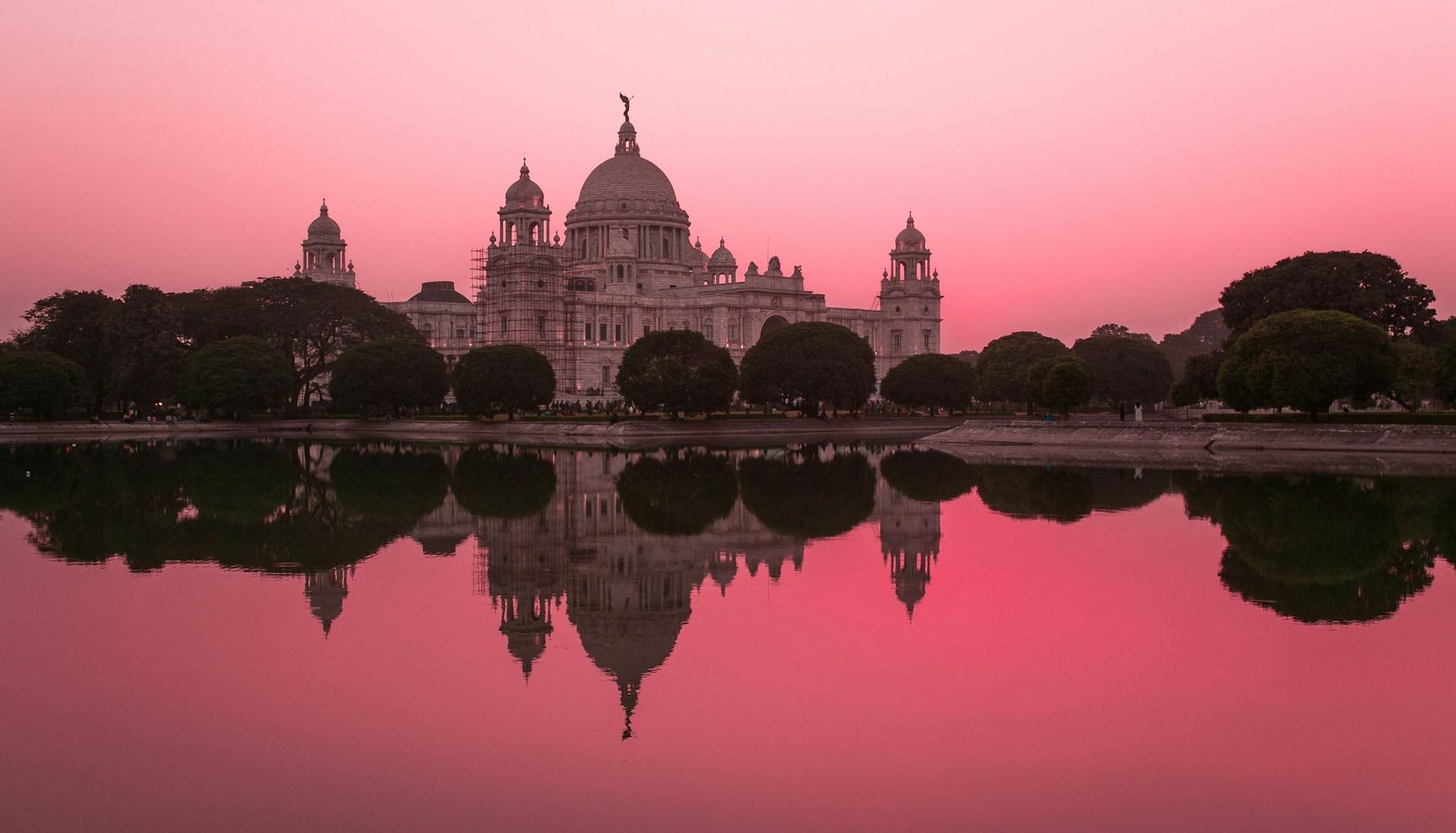

India - Golden Triangle
 8 days
Jaipur, Amber Fort, Fatehpur Sikri, Abaneri, Agra, Mathura, Vrindavan, Akshardham, Delhi
8 Days
Day 1: Athens - Delhi
Meeting at the airport and flight, via a connecting city, to Delhi, the capital of India, a multicultural city with a distinctive atmosphere and centuries of history. Between the Yamuna River and the last northern spurs of the Aravalli range, Old and New Delhi form one vast inhabited area stretching about 40 kilometres from north to south. In essence, though, they are two separate cities. Old Delhi is a maze of narrow, bustling streets where a jumble of cars, motorbikes, three-wheelers, bicycles and horse-drawn carriages moves, or tries to move, driving on the left as the British did. New Delhi, by contrast, has wide avenues, handsome buildings and well-kept parks. A wealth of unique monuments, temples, mosques, forts, wonderful museums and colourful markets awaits the visitor in this immense, chaotic city where the heart of India beats.
Day 2: Delhi - Mathura - Vrindavan - Agra
Arrival in Delhi, meeting with our local representative and departure for Agra. Along the way we stop at Mathura, birthplace of the much-loved god Krishna (the eighth incarnation of Vishnu), one of the seven sacred cities of Hinduism and among the oldest cities in the world. The famous Mathura School had a decisive influence on Indian sculpture; unlike the slightly earlier Gandhara School, which dealt exclusively with Buddhist themes, at Mathura we also find secular art, such as the nude and semi-nude female figures of the tree spirits (Yakshinis) and the celestial nymphs (Apsaras). The city is dotted with temples of various periods, while the faithful flock to the 25 ghats along the sacred Yamuna River for their daily rituals. We continue to Vrindavan, the town where Krishna spent his childhood. Having been introduced to Hinduism, the country's dominant religion, we depart for Agra. Check-in at the hotel. Dinner. Overnight stay.
Day 3: Agra, Sightseeing
Agra, the "pearl of Hindustan", occupies a strategic position on the banks of the Yamuna River. It reached the height of its glory when the great Mughal emperor Akbar moved his capital there, and the city was adorned with mosques, palaces and beautiful gardens. On today's tour we visit the most famous monument not only of the city but of the entire country: the celebrated Taj Mahal, one of the wonders of the world, built in 1632 by Emperor Shah Jahan in memory of his beloved wife, Mumtaz Mahal. We continue to the magnificent Red Fort of Agra, where Shah Jahan spent the last years of his life, imprisoned by his son Aurangzeb. Return to the hotel. Dinner. Overnight stay.
Day 4: Agra - Fatehpur Sikri - Abhaneri - Jaipur
Departure for the "Pink City", Jaipur. On today's route we first visit Fatehpur Sikri, the "City of Victory", abandoned just 14 years after its founding in 1569 by Emperor Akbar. We then stop at the small village of Abhaneri to see its remarkable stepwell (baori), with tiers of steps descending gradually into the earth. We continue to Jaipur, the capital of Rajasthan. The city owes its name, founding and layout to a great astronomer and warrior, Maharaja Jai Singh II (1699-1743). Its nickname, the "Pink City", comes from the colour of the buildings in its old walled quarter. There are several theories as to why: according to one, pink was chosen by Jai Singh II in honour of the god Shiva, whose favourite colour it is said to be. Another, favoured by the British, holds that the city was painted pink in 1876 to welcome the British Prince of Wales, later King Edward VII and Emperor of India, since in Rajasthan pink symbolises hospitality. Arrival and check-in at the hotel. Dinner. Overnight stay.
Day 5: Jaipur, Elephant ride to Amber Fort, City tour, Aarti Ceremony
This morning we visit Amber Fort, the seat of the province's rulers until 1728. It stands on the hill of the same name, and the ascent is made on the back of an elephant! Our tour continues in Jaipur itself, where we visit the City Palace and the Jantar Mantar observatory, and admire the facade of the Hawa Mahal, a palace of unusual architecture with countless small windows, built in 1799 so that the women of the royal family could watch everyday life in the street below without being seen. In the late afternoon we have the chance to attend the ancient Aarti ritual, one of Hinduism's most important ceremonies. Return to the hotel. Dinner. Overnight stay.
Day 6: Jaipur - Delhi, Akshardham Temple
Morning departure for Delhi. On arrival we visit Akshardham, the "eternal abode of the divine", an impressive Hindu complex of timeless devotion and a spiritual campus dedicated to harmony and learning. Check-in at the hotel. Dinner. Overnight stay.
Day 7: Delhi, Guided Rickshaw/Pedal Carriage Tour
Today's tour combines New and Old Delhi: the well-planned avenues of the New city and the old-world charm of the Old, with its marble palaces, mosques and bazaars. We pass the Red Fort (1639-1648), see the Great Mosque (Jama Masjid), and visit the simple cremation memorial of Mahatma Gandhi (Raj Ghat), the historic and colourful Chandni Chowk bazaar, the impressive mausoleum of the Mughal emperor Humayun, the Laxmi Narayan temple, the presidential palace of Rashtrapati Bhavan, the India Gate, built in honour of the Indian soldiers who fell in the First World War, the Baháʼí (Lotus) Temple with its 27 marble "petals", and India's oldest Islamic monument, the Qutub Minar. The day is rounded off with a rickshaw ride. Return to the hotel. Dinner. Overnight stay.
Day 8: Delhi – Athens
Early-morning transfer to the airport and flight to Athens via a connecting city. Arrival the same day.
included
-
Economy class airline tickets with a stopover
-
Airport taxes
-
Fuel surcharge
-
Entry visa to the country
-
Accommodation in 5* hotels
-
Half board daily.
-
Transfers, excursions, tours as listed in the program
-
Tips, porters
-
Local experienced tour guides
-
Experienced leader-escort of our Office
-
Liability insurance and additional travel insurance with Covid coverage for travelers up to 75 years old
not included
-
Anything not listed above or listed as recommended or optional.
-
Greek passports must be valid for six months from the date of entry into the country.
-
The flow of the program is indicative and the order of visits may change even on site if this is deemed necessary for its best outcome, without however omitting anything from what is listed.
-
Final program with your briefing.
|
DEPARTURES
|
FLIGHTS | ACCOMODATION | PRICE PER PERSON | ||||
|---|---|---|---|---|---|---|---|
|
DOUBLE ROOM
|
SINGLE ROOM
|
CHILD | |||||
| 11-04-2026 | 1.520 € | 1.970 € | 1.420 € | ||||
| 28-04-2026 | 1.470 € | 1.920 € | 1.370 € | ||||
| 16-05-2026 | 1.470 € | 1.920 € | 1.370 € | ||||
| 30-05-2026 | 1.470 € | 1.920 € | 1.370 € | ||||
| 13-06-2026 | 1.420 € | 1.870 € | 1.320 € | ||||
| 27-06-2026 | 1.420 € | 1.870 € | 1.320 € | ||||


Call us for a reservation
